
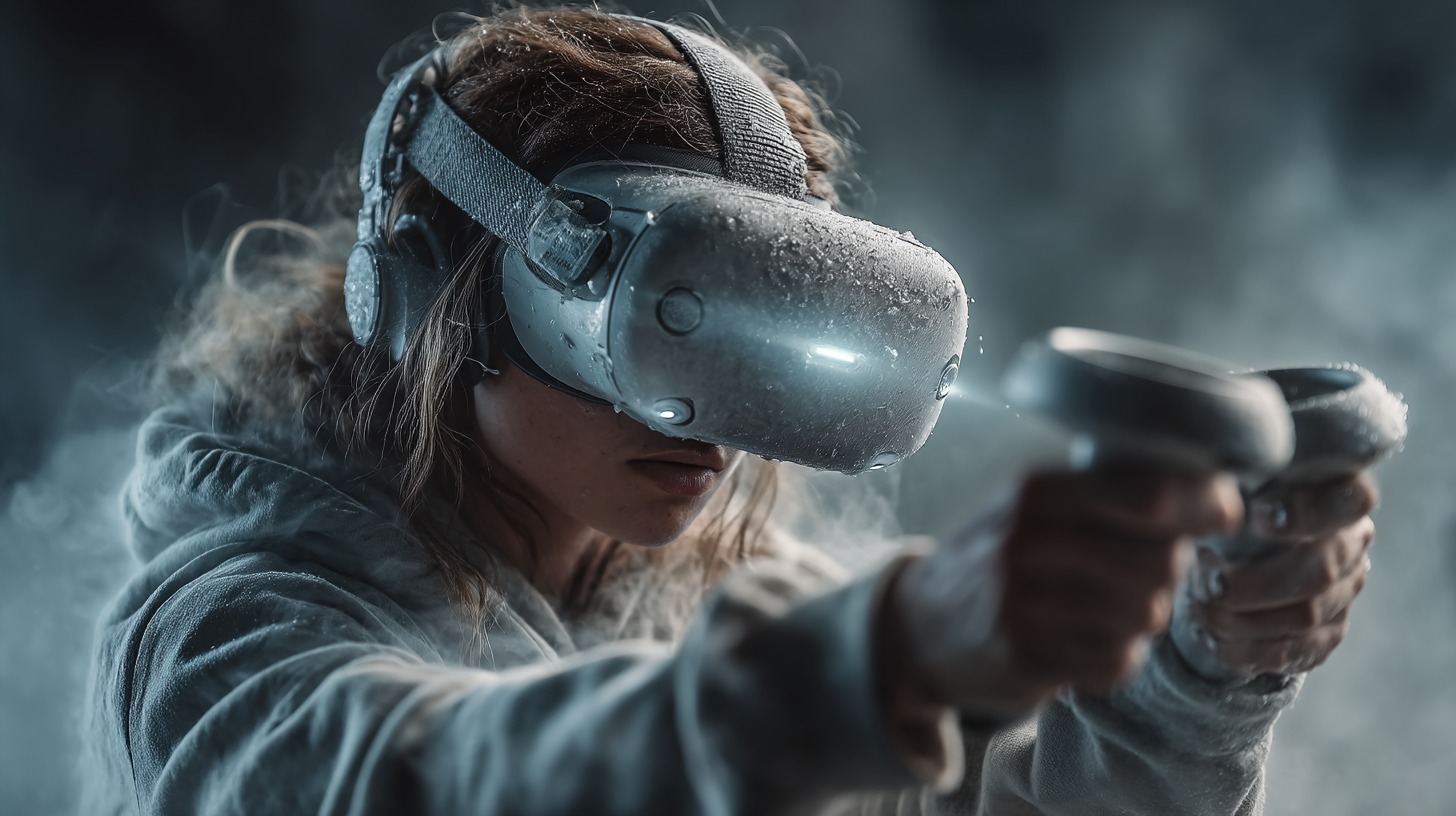
Not long ago, virtual and augmented reality were seen as impressive but niche technologies, primarily associated with gaming, exhibitions, and experiments by large corporations. Now, the situation is changing much more rapidly. VR and AR are gradually moving beyond demonstration solutions and transforming into practical tools for business, education, medicine, industry, and retail.
Why virtual and augmented reality are impacting the market
The reasons are multifaceted. On one hand, the hardware has improved. Headsets have become lighter, images sharper, interfaces more intuitive, and computing power more accessible. On the other hand, businesses have stopped viewing VR and AR solely as a way to wow an audience. Companies are increasingly asking a more pragmatic question: can these solutions be used to:
- Reduce costs.
- Accelerate training.
- Improve service quality.
- Simplify decision-making.
It is precisely this shift from the “wow factor” to practical utility that has made the topic a serious one. A virtual environment helps simulate complex scenarios without the expense of physical infrastructure. Augmented reality allows digital information to be overlaid onto the real world, thereby saving time, reducing errors, and simplifying interaction with a product.
Where VR and AR are already being used in practice
These tools are most effective where a standard screen no longer provides the necessary depth of perception. In industry, they are used for staff training, design, and remote support. In medicine, they help model complex procedures and train skills without risk to patients. In retail, they are becoming part of the customer experience, allowing users to try on products, see how an object will look in their space, and make decisions faster.
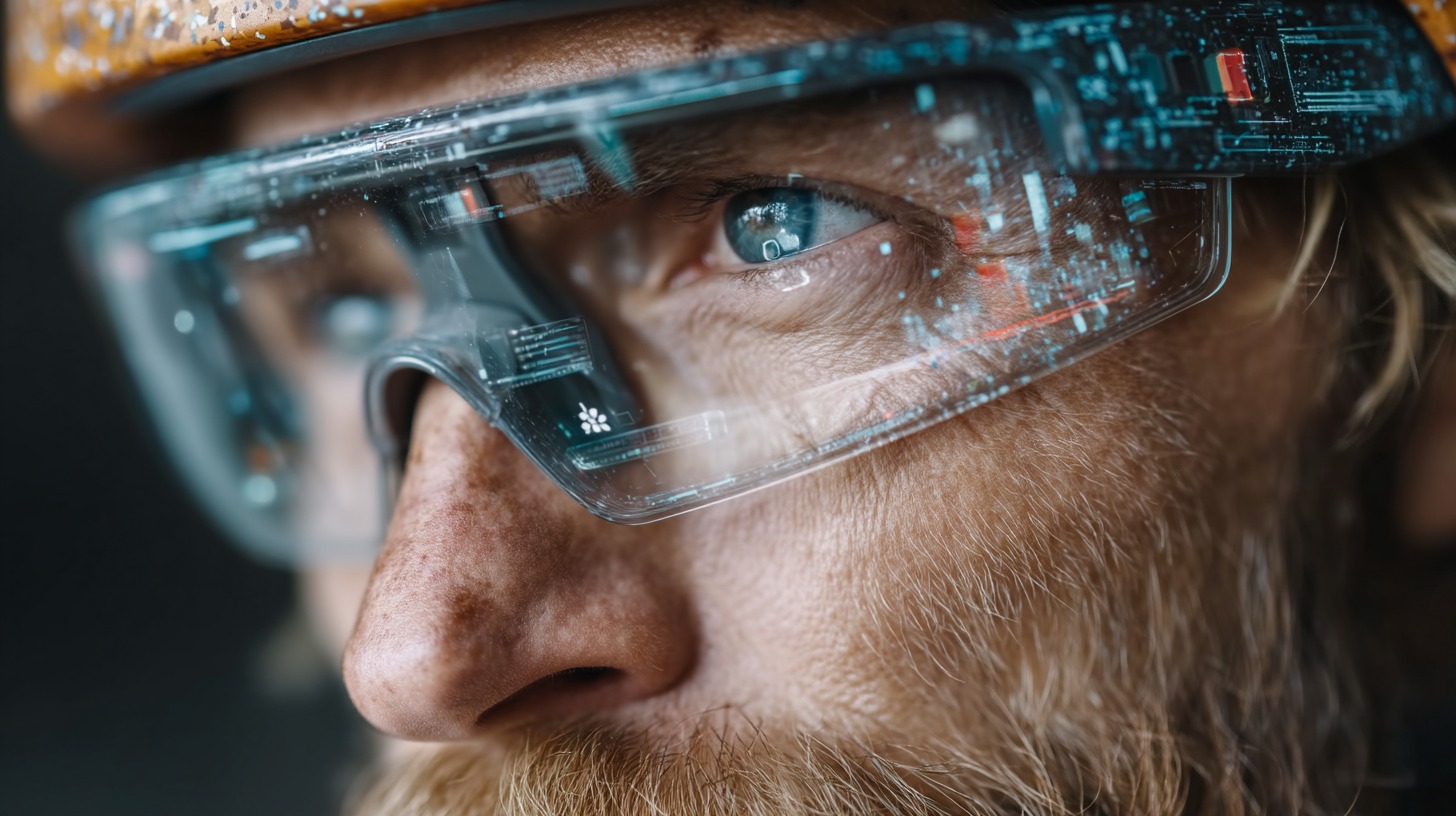
For businesses, it’s particularly important that VR and AR operate in different ways. Virtual reality fully immerses a person in an artificial environment and is suitable for training, simulation, or demonstrating complex processes. Augmented reality doesn’t replace the real world but adds a digital layer to it, making it more effective for service, navigation, sales, and user support.
Why the technological “wow factor” is no longer enough
Amid growing interest, it’s especially clear that not every VR and AR project proves viable. The mistake many companies make is that they still bet on making an impression rather than on providing utility. A solution might look modern and expensive, but that doesn’t mean it will be used regularly. If the technology doesn’t integrate into daily processes, it quickly becomes just a beautiful demonstration.
Therefore, the winners today won’t be those who simply adopt a trendy format, but those who understand its place in their overall business model. A successful project in this field typically answers three questions: What specific problem does it solve? Why is the task harder to solve without this interface? How can its effect be measured? Until there are clear answers to these questions, it’s too early to talk about real growth.
What is hindering mass adoption
Despite significant progress, the market still faces limitations. Some are related to the cost of equipment and development. Others run into user inertia, as people are not always ready to change their familiar ways of interacting with the digital world. The content problem also persists: the technology itself looks convincing, but there are still fewer quality use cases than there are expectations surrounding it.
There is also a more subtle challenge. Businesses often think that implementing VR or AR automatically makes them innovative. In reality, the market is increasingly testing the substance behind such claims. If a flashy package isn’t backed by a clear user journey and real benefits, interest quickly fades. That is why the maturity of this industry will be defined not by the number of spectacular launches, but by the number of solutions that integrate seamlessly into everyday practice.