
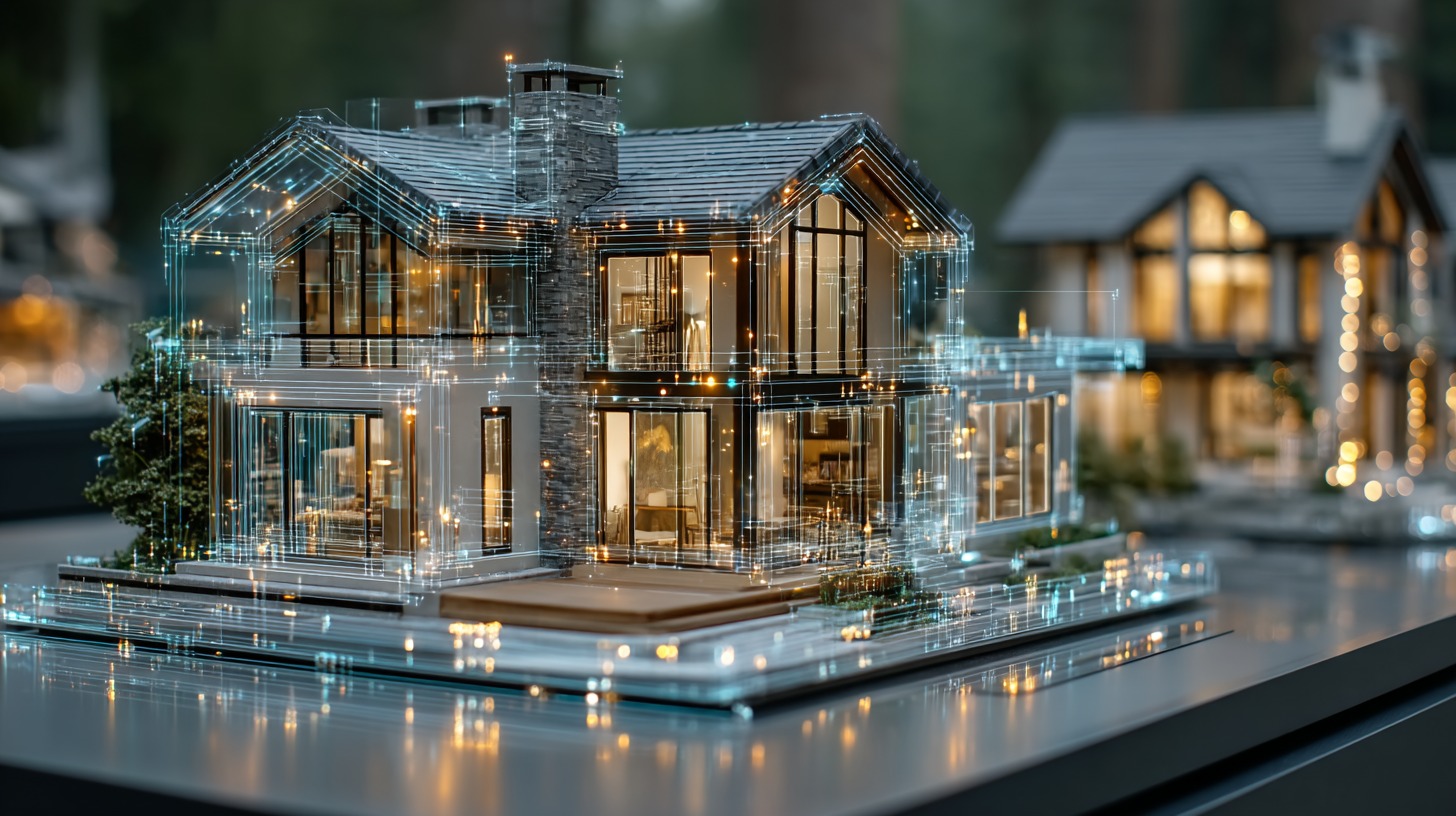
Blockchain is a decentralized log that records transactions across a network of computers, making the data immutable and secure. This technology ensures all participants see the same information, boosting transparency and trust. Each transaction is grouped into a block and cryptographically linked to the previous one, creating a chain that is nearly unimaginable to alter without the network’s consensus.
By removing intermediaries like banks, blockchain has profound implications for industries where trust is critical, such as real estate. For example, a development like Saadiyat Shores could use blockchain to transparently manage property titles and transactions, offering a clear, unalterable record of ownership for every villa, which would streamline the buying and selling process significantly.
The role of blockchain in real estate commerce
Blockchain can revolutionize property transactions. Traditional real estate deals involve numerous parties and extensive paperwork, but blockchain streamlines this by providing a single source of truth. This transparency reduces disputes and improves efficiency. Also, blockchain enables the tokenization of real estate assets, converting physical properties into digital tokens. Tokenization allows for fractional ownership, which opens up real estate markets to smaller investors.
Benefits of using blockchain in real estate
Integrating blockchain into real estate offers enhanced security. The technology’s cryptographic nature protects transaction data from fraud, and all records are transparent yet secure. Blockchain also significantly reduces transaction costs and timelines.
By removing intermediaries and using smart contracts (self-executing contracts with terms written into code), transactions become faster and cheaper. While traditional property transfers can take weeks, blockchain can complete them in days or even hours.
Challenges and limitations
Despite its potential, blockchain adoption in real estate faces challenges. Regulatory uncertainty is a major hurdle, as real estate is heavily regulated, and integrating blockchain raises compliance questions about property rights and the legal status of smart contracts.
Another challenge is the required technological infrastructure and expertise, which many real estate professionals may lack. Overcoming these barriers will require education and industry-wide collaboration.

Examples of successful implementation
Several projects have demonstrated blockchain’s potential in real estate. Propy, a global marketplace, uses blockchain to facilitate online cross-border property transactions, automating title transfers and payments with smart contracts. Similarly, Dubai’s Land Department implemented a blockchain-based system for property registration to streamline processes and enhance transparency, reducing transaction times and improving access to information.
The future of blockchain in real estate
The future of blockchain in real estate looks promising. As the technology matures, we can expect further innovations like better interoperability between different platforms, facilitating seamless cross-jurisdictional transactions. As regulatory frameworks adapt, institutional adoption will likely increase, leading to a more standardized global approach to real estate.
How to incorporate blockchain in real estate
Incorporating blockchain into real estate requires a strategic approach. First, education is crucial for industry professionals to understand the technology. Next, collaboration among industry players is essential for developing standardized protocols. Finally, partnerships with technology providers can help firms leverage existing platforms or develop custom solutions.
How will blockchain shake up the real estate industry?
Blockchain is set to completely change the real estate game. It will make buying and selling property way more efficient and secure by cutting out the middlemen and simplifying the process. Once we sort out the legal stuff and get more people on board with the tech, it’s going to take off.
Thanks to tokenization, more people will be able to invest in property, and decentralization will make everything much safer. This could totally reshape how we think about real estate investment.