
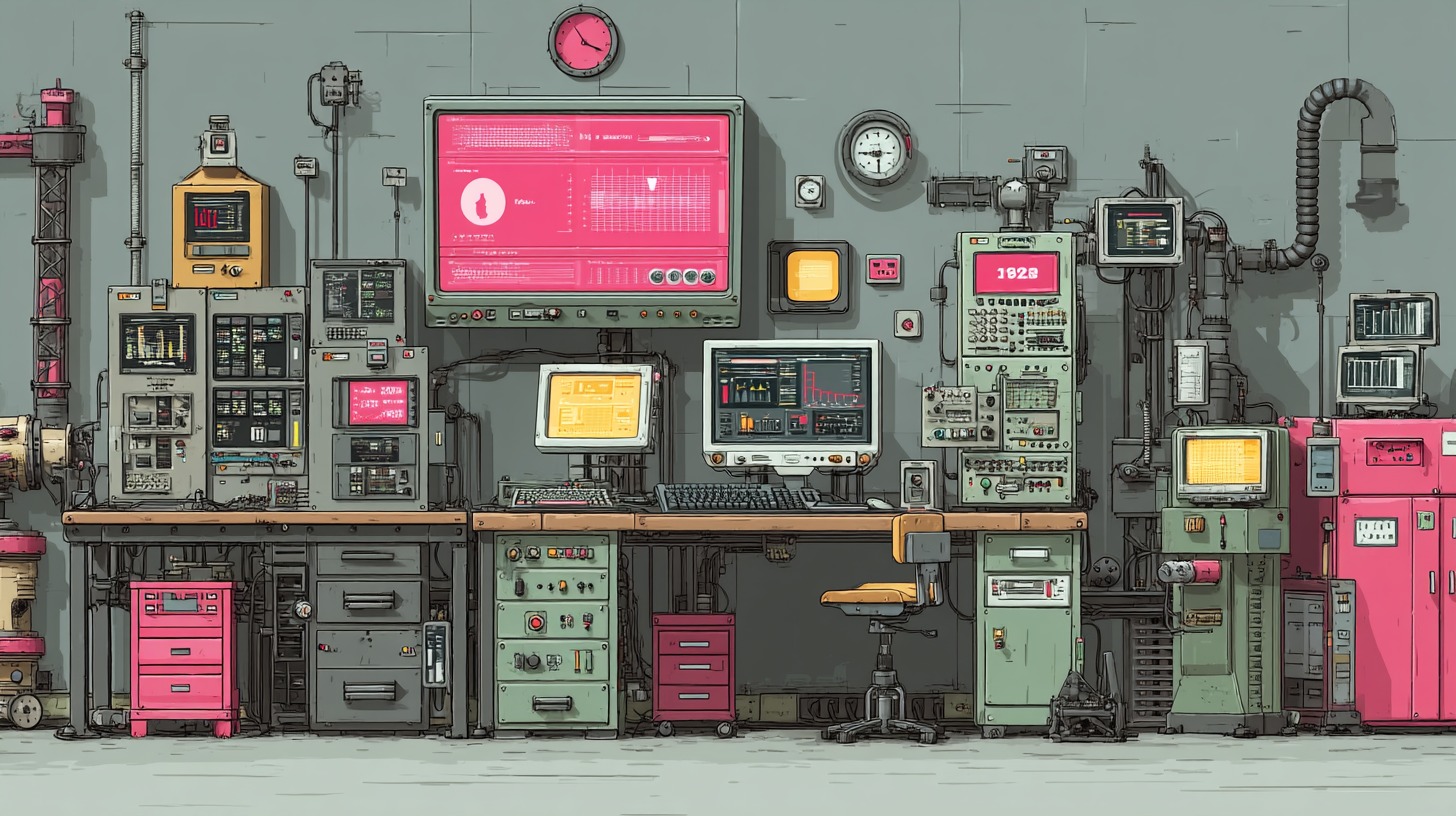
Modern industry has long moved away from the model where results depended solely on equipment, raw materials, and working hours. Today, efficiency is increasingly influenced by data, the speed of information exchange, and the accuracy of management decisions.
That’s why information technology in manufacturing has evolved from an optional tool into an essential element of a successful enterprise. It helps control processes, reduce waste, react faster to disruptions, and build a more resilient management system across all stages of production.
How the manufacturing environment is changing
Manufacturing has always been a field where the cost of error is particularly high. A miscalculation, a supply delay, a line stoppage, or inaccurate inventory data quickly turns into downtime, extra expenses, and missed deadlines. In the past, many of these problems were only identified after they occurred. Now, businesses have the ability to see much more in real time and react not after a failure, but before it happens.
This is where the practical value of a digital approach shines. Information technology in manufacturing allows companies to connect equipment, accounting, warehousing, logistics, and management into a single, unified system. As a result, the enterprise receives a holistic picture rather than disconnected signals from various departments, enabling more precise decision-making.
What problems do digital solutions solve?
In manufacturing, technology is useful not in itself, but as a tool for specific tasks. In one case, it’s needed for equipment monitoring; in another, for tracking materials; in a third, for planning capacity utilization. The more complex the enterprise’s structure, the more apparent the need for transparency and process synchronization becomes.
Most often, these solutions help in several key areas:
- Monitoring equipment performance.
- Controlling product quality.
- Managing inventory and supplies.
- Planning production line schedules.
- Collecting and analyzing production data.
- Reducing manual errors.
By leveraging all of this, an enterprise can not only resolve problems faster but also prevent them.
What are the most commonly used systems?
In manufacturing, there is usually no single, universal solution that covers all tasks at once. Companies build a working architecture from several systems, each responsible for its own area. Some tools help plan resources, others manage production operations, and still others gather analytics on equipment and output.
The most common set of systems includes:
- ERP systems for enterprise resource planning.
- MES systems for manufacturing execution control.
- WMS solutions for warehouse logistics.
- SCADA and IoT tools for equipment monitoring.
- BI platforms for analytics and management reporting.
The point of implementation isn’t the number of programs, but ensuring there are no gaps between them. If data isn’t synchronized, the technology starts creating new complexities instead of eliminating old ones.
What to consider during implementation
To ensure that technology truly enhances production, it’s helpful to keep a few principles in focus:
- First, identify the problem area, then select the tool.
- Don’t automate chaos without first re-evaluating the underlying processes.
- Train personnel on how to work with the new systems.
- Implement solutions in stages rather than trying to change everything at once.
- Evaluate the results based on real metrics, not just the fact that the system was launched.
This approach reduces resistance within the company and makes digital transformation more manageable.