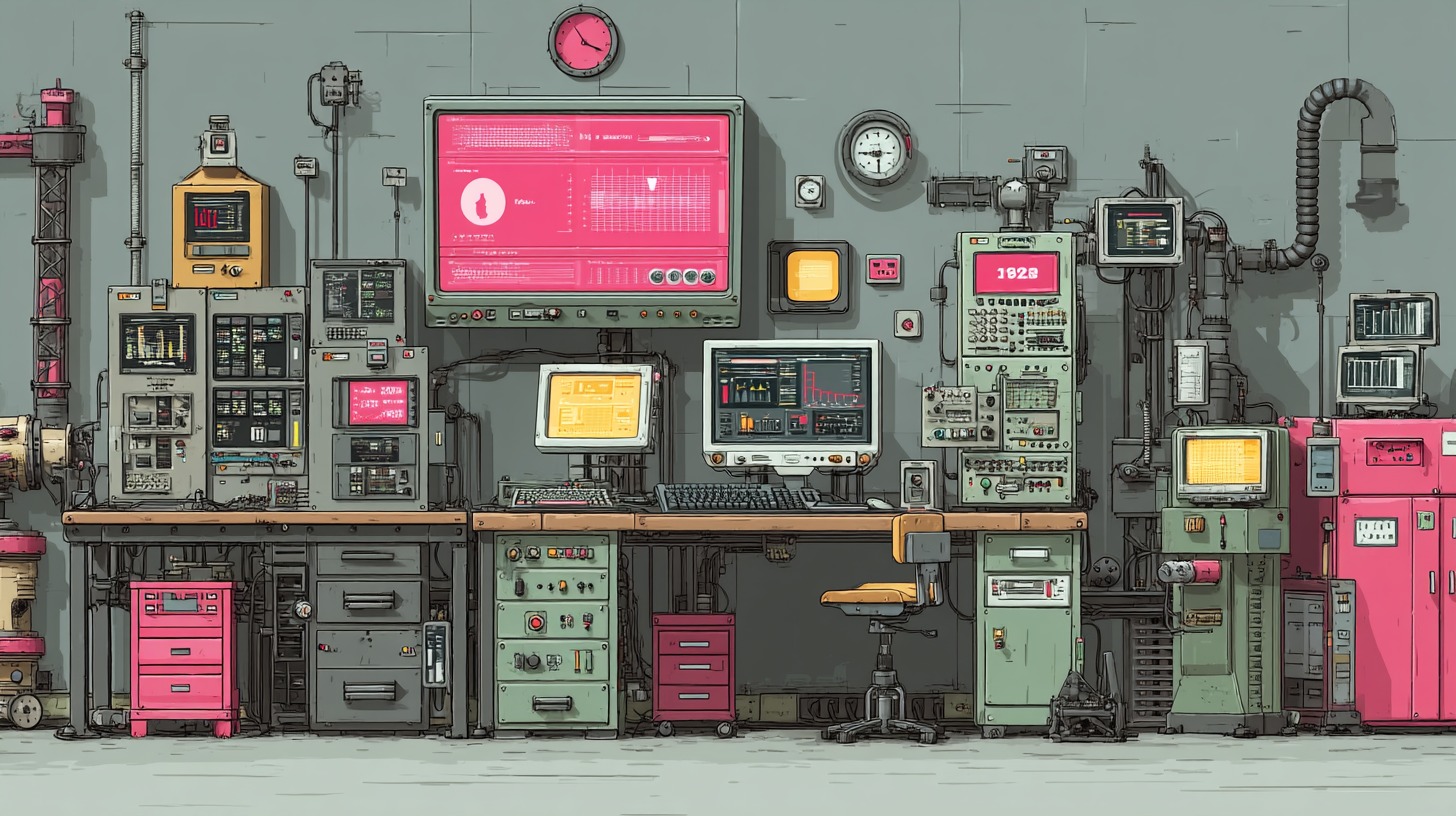

Today, information and communication technologies (ICT) are not just a part of the professional world; they are the foundation of the modern economy, education, government, and daily life.
They facilitate data exchange, organize teamwork, automate processes, support decision-making, and maintain constant connections between people, companies, and digital systems. That’s why discussions about this field have long moved beyond niche technical topics. We’re no longer talking about a set of separate tools, but rather about the environment in which society develops and business operates.
How the role of technology is changing
Not too long ago, technology was seen mainly as a support resource. A computer helped store data, a telephone sped up communication, and email simplified correspondence. The situation is different now.
Digital infrastructure determines how fast companies operate, the quality of their services, access to knowledge, and the stability of their management. If a communication system is weak, data is delayed, and internal processes aren’t integrated, an organization will start losing to its competitors.
Against this backdrop, information and communication technologies are becoming less of an added advantage and more of a prerequisite for normal operations. They allow for faster retrieval and processing of information, connect remote departments, and build interaction between employees, clients, and systems.
The more complex the business and social environment becomes, the more valuable tools that help maintain the speed and accuracy of information exchange become.
What makes up the modern digital environment
When people talk about these technologies, they don’t mean a single device or service. It’s a broad system of software solutions that includes communication channels, software platforms, databases, cloud services, collaboration tools, analytics instruments, and digital interfaces. They are all united by one goal: to make the transfer, storage, and use of information faster, more convenient, and more reliable.
In practice, this environment includes several key areas:
- Data processing and storage.
- Digital communication and messaging.
- Platforms for remote and collaborative work.
- Cloud services and enterprise systems.
- Analytics and decision support tools.
- Tools for automating routine processes.

It is the combination of these elements that forms the infrastructure without which it is difficult to imagine business, government, education, and the service industry operating today.
Where technologies have the most noticeable impact
The influence of digital solutions is most apparent in areas that were once burdened by manual data transfer, unnecessary approvals, and time lost on communication. In business, they speed up document workflow, simplify team management, and help visualize processes in real time.
In education, they provide access to online learning, collaborative work, and digital materials. In public administration, they make services more accessible and interactions with citizens faster.
It’s especially important that communication and information technologies change not only the speed but the very structure of interaction. Decisions are made faster, teams work more flexibly, and information is no longer tied to a single office, paper archive, or specific physical location. This isn’t just a convenience; it’s a fundamental change in the work model itself.
What’s important for sustainable development
For technology to truly deliver results, it’s helpful to keep a few principles in mind:
- Choose solutions for specific tasks, not just to follow trends.
- Ensure that systems are compatible with each other.
- Train employees to work with new tools.
- Pay attention to data protection and the stability of communication channels.
- Regularly assess whether the technologies are producing real results.
This approach helps you not just use digital services, but build a functional and understandable system around them.