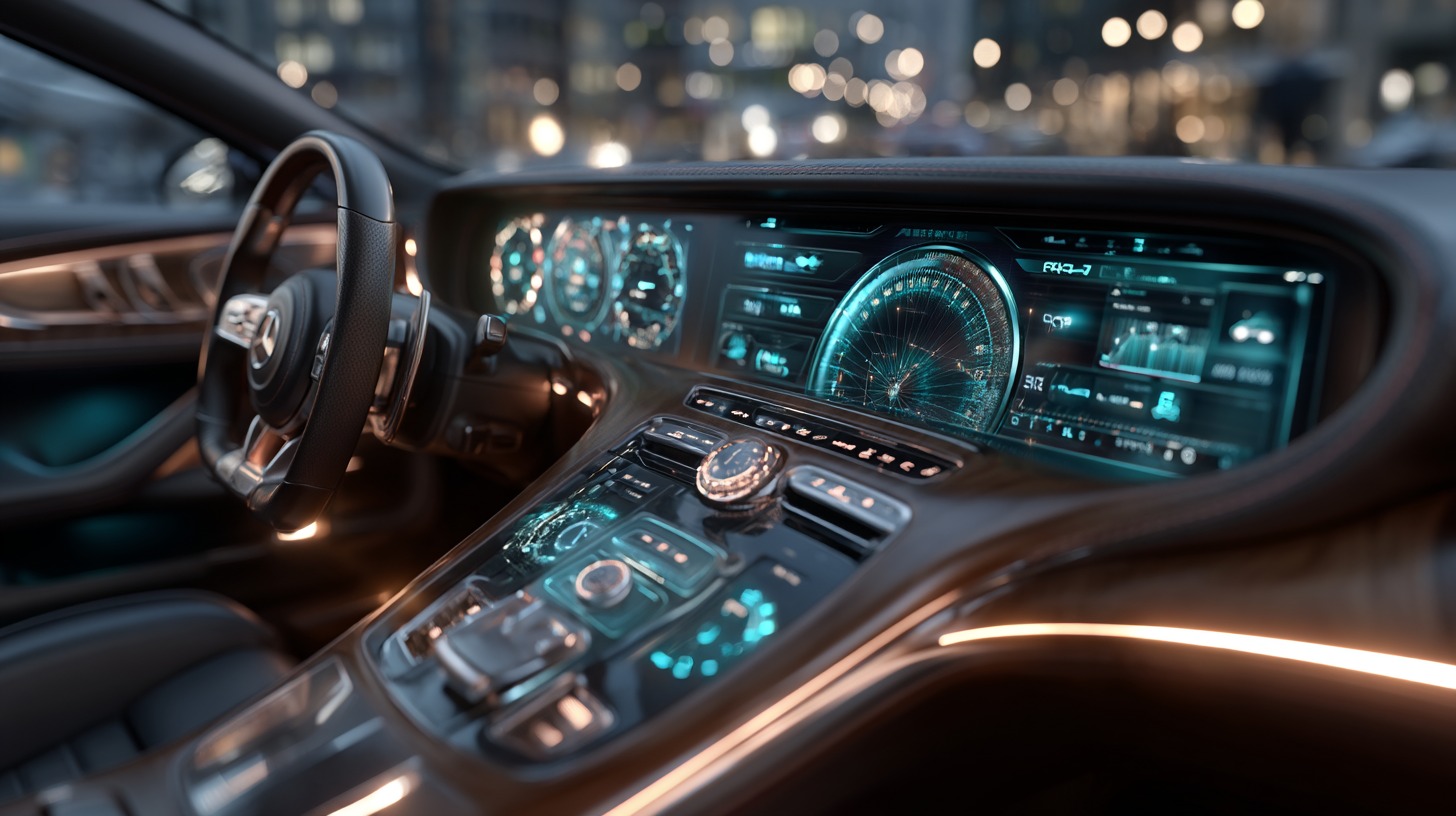
For over a century, cars were defined by mechanical excellence — engine size, gearbox design, and chassis tuning. Today, that definition has fundamentally changed. Modern vehicles are no longer just mechanical systems enhanced by electronics; they are software-driven platforms on wheels. Software now governs everything from engine management and infotainment to safety systems and autonomous driving.
At the same time, it is worth remembering that using a vehicle also requires proper insurance coverage. Drivers can choose services such as https://qic.online/en/car-insurance or explore other available options depending on their needs. This article explores how software is redefining the modern car.
The shift from mechanical engineering to software architecture
Traditional vehicles used mechanical linkages and hydraulic systems for essential functions. Steering feel was defined by rack-and-pinion geometry, braking by hydraulic pressure, and throttle response by physical cables. In contrast, modern vehicles often replace these with electronic control units (ECUs) and software algorithms.
Today’s cars can have over 150 ECUs communicating through high-speed data networks. These systems manage everything from fuel injection timing to adaptive suspension. As a result, a vehicle’s personality is no longer set at the factory but is defined and refined through software.
Timeline of automotive software
- 1980s: Software first appeared in ECUs to manage engine functions.
- 1990s: Software expanded to improve fuel efficiency, emissions control, and safety features like airbags.
- Early 2000s: Infotainment systems emerged, bringing navigation and digital interfaces into the car.
- Mid- to late 2000s: Advanced driver-assistance systems (ADAS) like ABS and adaptive cruise control began to appear.
- 2010s: Connected car technology grew rapidly, incorporating GPS, real-time traffic updates, and smartphone integration.
- Late 2010s to present: The focus shifted to electric and autonomous vehicles, with software managing battery systems, sensors, and self-driving functions.
Software-defined powertrains and driving dynamics
Software now controls engine and motor performance, governing throttle mapping, torque delivery, and even exhaust sounds. In electric vehicles, software’s role is even more central, managing acceleration, battery thermal management, and range optimization. Performance can often be improved through updates without changing physical components, introducing the concept of software-enabled upgrades.
Advanced driver-assistance systems (ADAS) and autonomous technology
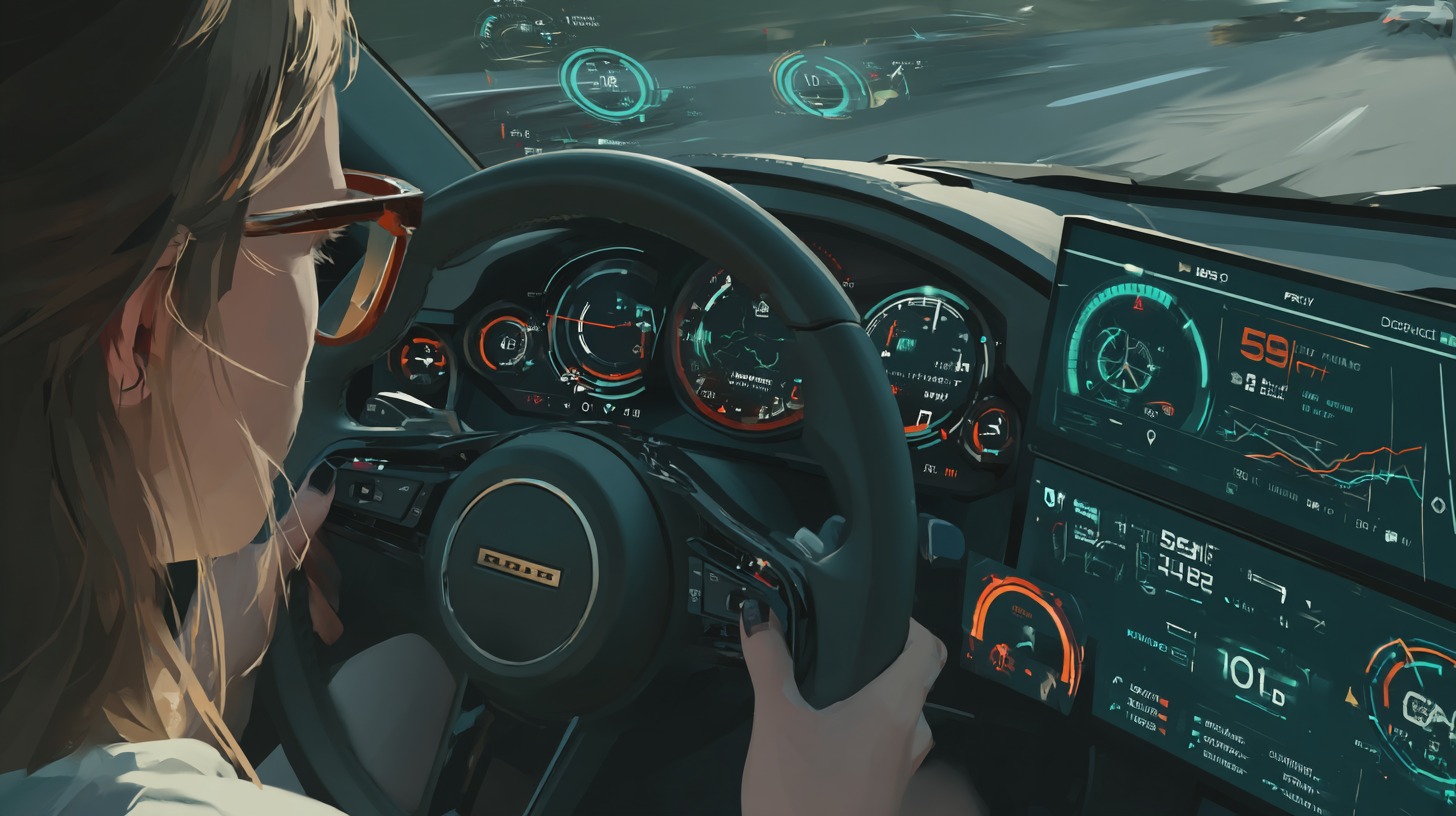
Modern safety and automation features are impossible without software. Systems like adaptive cruise control, lane-keeping assistance, and automatic emergency braking rely on complex software interpreting data from cameras, radar, and lidar. Software makes real-time decisions affecting steering, braking, and acceleration. As autonomous technology advances, software will become the primary determinant of vehicle behavior.
Infotainment, connectivity, and the digital cockpit
The modern car interior is a digital environment, with touchscreens, voice assistants, and cloud-based features now standard. Infotainment systems are no longer just a convenience; they shape user perception and brand identity. Poor software can undermine an otherwise excellent vehicle, forcing manufacturers to compete on user experience and interface design.
Software’s impact on manufacturing and vehicle design
A software-first approach has revolutionized car design. Modular platforms and centralized computing are replacing fragmented legacy systems, enabling faster development, greater scalability, and easier integration of new technologies. This allows manufacturers to build multiple models from a shared software foundation, reducing costs and increasing flexibility.
The challenges of a software-driven future
Of course, software brings its own set of headaches. Bugs can leave a car dead in its tracks, and hackers can get their hands on personal info. The trend of charging subscriptions for features like heated seats has also started a big conversation about what you actually own when you buy a car. The auto industry is now trying to figure out how to keep pushing forward without sacrificing safety, honesty, and customer trust.